

The Executive Board of the International Monetary Fund (IMF) has completed the combined Fifth and Sixth Reviews of the Extended Fund Facility for Sri Lanka, providing the country with immediate access to SDR508 million (about US$695 million) to support economic policies and reforms.
The IMF completed the combined Fifth and Sixth Reviews of Sri Lanka’s economic reform program supported by the 48-month Extended Fund Facility (EFF) arrangement. Completion of the combined reviews provides SDR508 million (about US$695 million), bringing the total purchases under the arrangement to SDR1.778 billion (about US$2.4 billion), the statement said.
The EFF arrangement for Sri Lanka was approved by the Executive Board on March 20, 2023 in an amount of SDR 2.286 billion (395 percent of quota or about US$3 billion). The arrangement supports Sri Lanka’s reform program to durably restore macroeconomic stability by (i) restoring fiscal and debt sustainability while protecting the vulnerable, (ii) safeguarding price and financial sector stability, (iii) rebuilding external buffers, (iv) strengthening governance and reducing corruption vulnerabilities, and (v) advancing growth-oriented structural reforms.
Following the Executive Board’s discussion, Mr. Kenji Okamura, Deputy Managing Director and Acting Chair, issued the following statement:
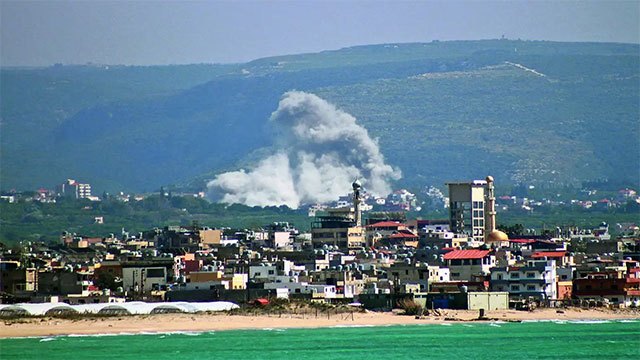
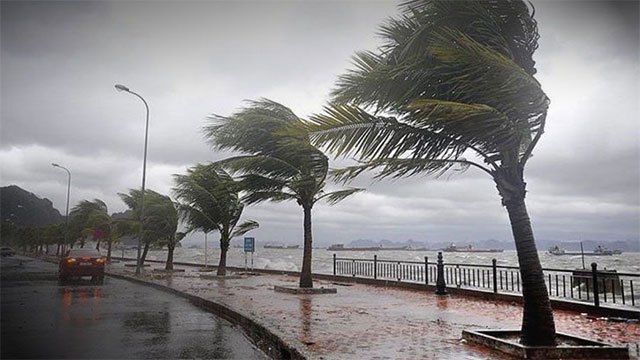
“Sri Lanka’s strong implementation under the EFF arrangement has continued despite challenging circumstances. Gains from the economic reform program helped preserve economic resilience and provided room to respond to cyclone Ditwah and the Middle East war. The latter, however, has significantly worsened Sri Lanka’s economic outlook and tilted risks to the downside.”
“For 2026, growth is projected to slow down to 3 percent. Higher oil prices would increase inflation and weaken the current account, which would also be adversely impacted by lower tourism receipts. The uncertainty, regarding the war’s intensity and duration, heightens risks to the outlook.
“Fiscal easing in 2026 is appropriate in response to the shocks, and the government is implementing a temporary relief package, while also allocating additional spending to support recovery and reconstruction following Cyclone Ditwah. From 2027 onward, the authorities are appropriately committed to reverting to the primary balance target of 2.3 percent of GDP, as well as complying with the primary expenditure ceiling.
“Program performance remains generally strong, but efforts are required to complete public financial and investment management, and electricity sector reforms. Sustained revenue mobilization is crucial to make the tax system more efficient and growth-enhancing and should be spearheaded by developing a medium-term revenue strategy. Debt restructuring is nearing completion, but debt sustainability risks remain high.
“Monetary policy should continue prioritizing price stability. Greater exchange rate flexibility and gradually phasing out the balance-of-payments measures remain critical to rebuild external buffers and resilience.
“Well-calibrated structural reforms and renewed public infrastructure are also needed to improve the investment climate and lift the growth potential.”